Pelvic Health Physical Therapy
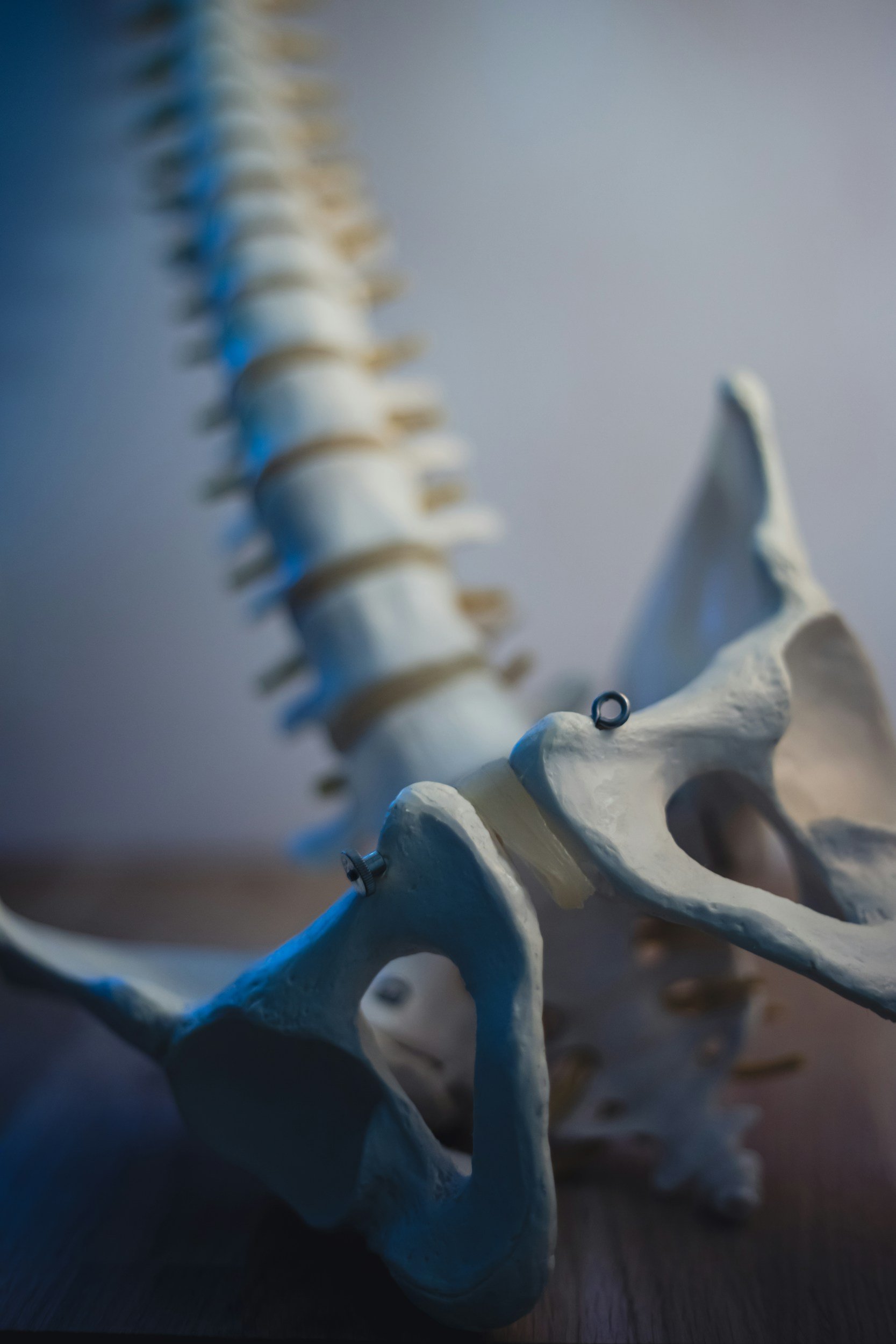
Specialized care for the muscles, tissues, and function of the pelvis
What it is
Pelvic health physical therapy focuses on the muscles, connective tissue, and nerves in and around the pelvis. The pelvic floor is a group of muscles that supports the bladder, bowel, and reproductive organs, helps control urination and bowel movements, contributes to sexual function, and works with your deep core and hips to stabilize your body.
Like any muscle group, the pelvic floor can become weak, tight, uncoordinated, or painful. A pelvic health physical therapist is trained to figure out which, and to build a plan around it.
Why people seek it out
Pelvic floor problems are common and often go unaddressed, partly because they're uncomfortable to bring up. Many people are told to live with symptoms or wait them out. Physical therapy offers a practical, non-surgical option that is often recommended as a first step, and it can also complement medical or surgical care.
Who it's for
Pelvic health physical therapy may be a good fit if you:
Leak urine when you cough, sneeze, laugh, or exercise
Feel a sudden or frequent urge to urinate
Have pelvic, hip, tailbone, or low back pain that hasn't resolved
Experience pain with sex or with tampon or speculum use
Have constipation, straining, or difficulty emptying your bowels
Feel heaviness or pressure in the pelvis
Are pregnant, or recovering from childbirth or a C-section
Are preparing for or recovering from pelvic or abdominal surgery
Have pelvic pain related to endometriosis, prostate conditions, or other diagnoses
This care is for people of all genders and ages.
What we treat
Urinary incontinence and urgency
Pelvic pain and pelvic floor muscle tension
Painful intercourse
Constipation and bowel dysfunction
Pelvic organ prolapse
Pregnancy and postpartum concerns
Pre- and post-surgical rehabilitation: for endometriosis, pelvic and abdominal surgery
Tailbone, hip, and low back pain with a pelvic component
What to expect
First visit. Your therapist will take a detailed history and ask about symptoms, habits, and goals. These questions can feel personal, and we ask them because the answers shape your care. You'll then be assessed for posture, breathing, movement, and strength in your hips, core, and spine.
Internal exam, only if you want it. An internal rectal or vaginal pelvic floor exam is often the most informative way to assess these muscles, but it is always optional. We'll explain exactly what it involves; you can decline or stop at any time.
Treatment. Depending on your needs, care may include:
Pelvic floor relaxation or strength training
Breathing and pressure management
Manual therapy for muscles and scar tissue
Visceral manipulation and craniosacral therapy
Bladder and bowel habit coaching
A home program you can realistically follow
Your say. You can ask questions, request a break, or change the plan at any point. Nothing happens without your consent.
How long it takes
It varies. Some people notice changes within a few weeks, while others need several months, especially for long-standing pain or after surgery. We'll set goals with you at the start and review your progress along the way.
Book a visit
If you're not sure whether pelvic health physical therapy is right for you, call or send us a message and we'll help you decide. You don't need to have a diagnosis to come in.