Visceral Manipulation
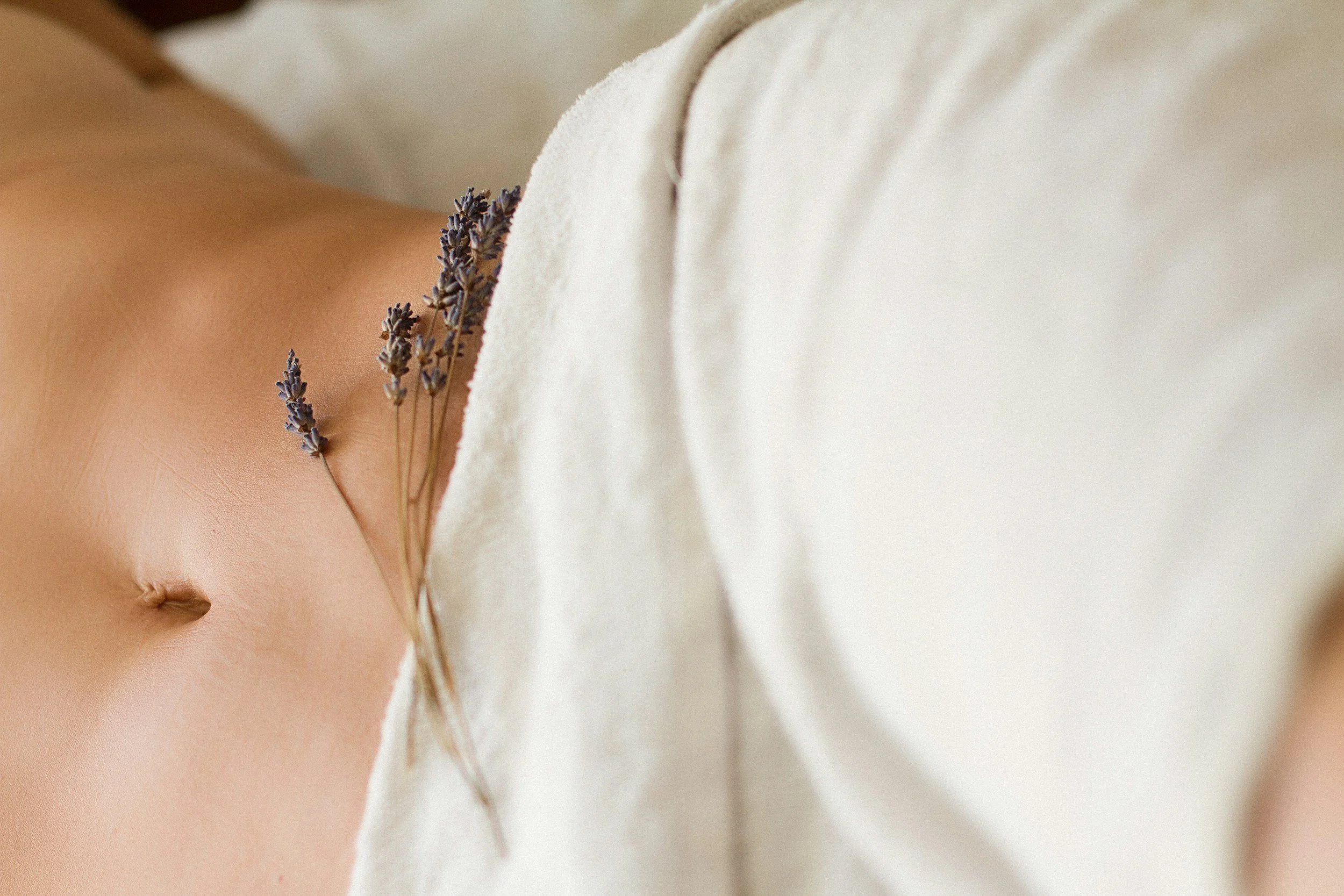
What is visceral manipulation?
Visceral manipulation is a gentle, hands-on manual therapy. Your therapist uses light, precise touch to assess how the organs and surrounding tissues are moving and to release areas of tension, tightness, or restriction. The pressure is soft, and the work is slow and attentive. We follow what your body tells us rather than forcing change.
Who might benefit?
Visceral manipulation can be a helpful part of care for people experiencing:
Pelvic pain or pressure
Pain or tightness after abdominal or pelvic surgery, including C-section and hysterectomy
Scar tissue and adhesions
Postpartum recovery
Constipation, bloating, or digestive discomfort
Painful intercourse
Chronic low back or hip pain that hasn't responded to other approaches
Tension related to long-term stress
How it fits with pelvic health care
The pelvic floor doesn't work in isolation. It is closely tied to the bladder, bowel, uterus, and prostate, as well as the muscles and connective tissues. Visceral manipulation lets us look at the whole picture, so we can address not only the muscles but also the tissues that support and surround them. We often combine it with pelvic floor therapy, movement retraining, breathwork, and craniosacral therapy, always shaped around your goals.
What to expect
Your first visit. We begin by listening. Your therapist will ask about your history, symptoms, and what you hope to feel like again.
During treatment. Sessions are fully clothed unless you and your therapist decide otherwise. You'll lie comfortably while your therapist uses gentle touch, usually over the abdomen and surrounding areas.
You're always in control. You can ask questions, pause, or change course at any time. Your comfort and consent come first.
After your session. Some people feel lighter and more relaxed right away. Others notice changes gradually over the following we talk through what you experience and plan next steps together.
Ready to feel well again?
If you're curious whether visceral manipulation could support your recovery, we'd love to hear from you. No question is too small.